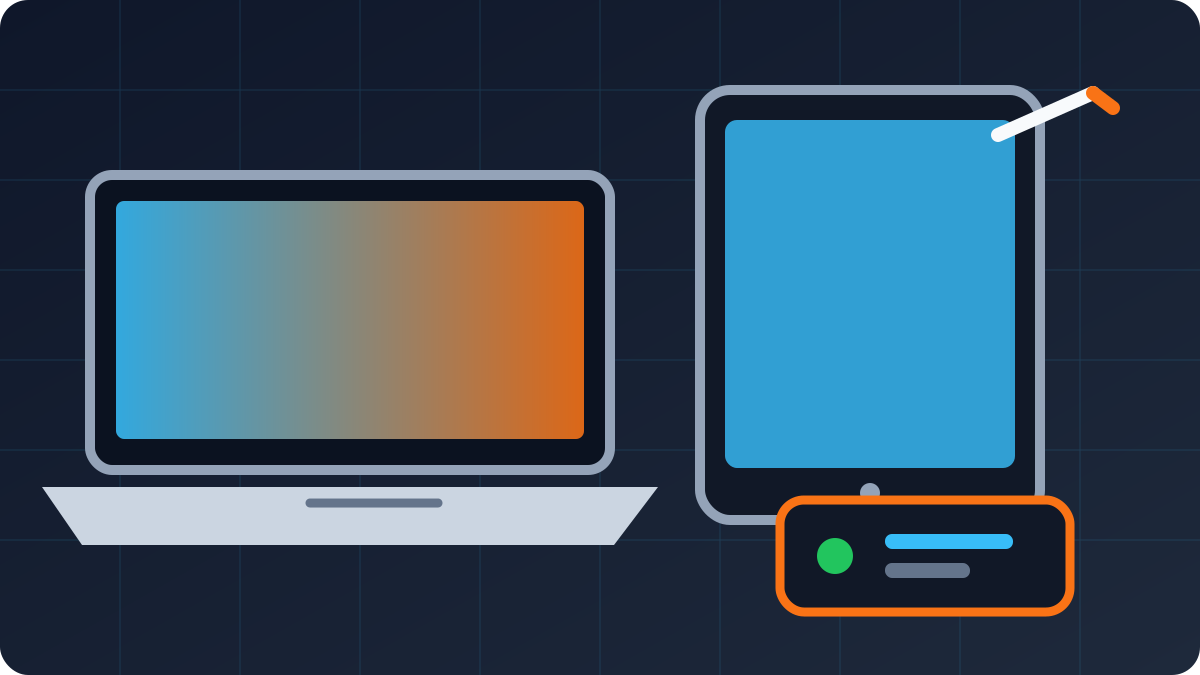
← Back to Main Home Portable computer buying guides Laptops, tablets, and smaller computers—clearly compared. Start with how and where you work. Then compare portability, software compatibility, battery needs, ports, repairability, and total setup cost without getting buried in model numbers.
Updated September 9, 2026
Overview Laptops Tablets & 2-in-1s Mini PCs & Handhelds Choose the form factor around the job Balanced and familiar Laptops Best when you need a built-in keyboard, desktop-class applications, broad accessory support, and one device that travels.
Work, school, creative tools, and general computing Windows, macOS, ChromeOS, and Linux choices Wide range of screen sizes, ports, and performance levels Open the Laptop Guide → Touch-first and flexible Tablets & 2-in-1s Best for reading, handwriting, media, field work, and lighter productivity—provided your essential apps fit the platform.
iPadOS, Android, ChromeOS, and Windows options Detachable or convertible keyboard designs Stylus, keyboard, stand, and storage costs matter Open the Tablet Guide → Compact and specialized Mini PCs, Handhelds & Small Computers Best when desk space, travel size, gaming portability, a home lab, or a dedicated small system matters more than an all-in-one design.
Mini PCs need a display and input devices Handheld PCs trade screen size for portability Small boards suit learning and focused projects Open the Small Computer Guide → Quick comparison Type Strongest fit Main tradeoff Check first Laptop All-purpose work and school Repair and upgrade options vary Software, memory, ports, and keyboard comfort Tablet / 2-in-1 Touch, pen, reading, and mobility Desktop app and accessory limits App support and total accessory cost Mini PC Small desk, media, home lab No built-in display or battery Included memory/storage and display support Handheld PC Portable games and compact computing Small screen and controls Game compatibility, battery, and ergonomics
Plan the complete setup—not just the computer. Budget for the charger, dock, keyboard, pen, case, monitor, storage, warranty, and adapters you will actually need. A cheaper device can cost more after missing essentials are added.
A practical shortlist process List the programs, websites, peripherals, and accounts that must work. Decide whether the device will live at a desk, travel daily, or do both. Set minimum needs for memory, storage, battery, display, ports, and connectivity. Compare the complete price with essential accessories and support. Confirm return terms, warranty service, and replacement parts before buying.