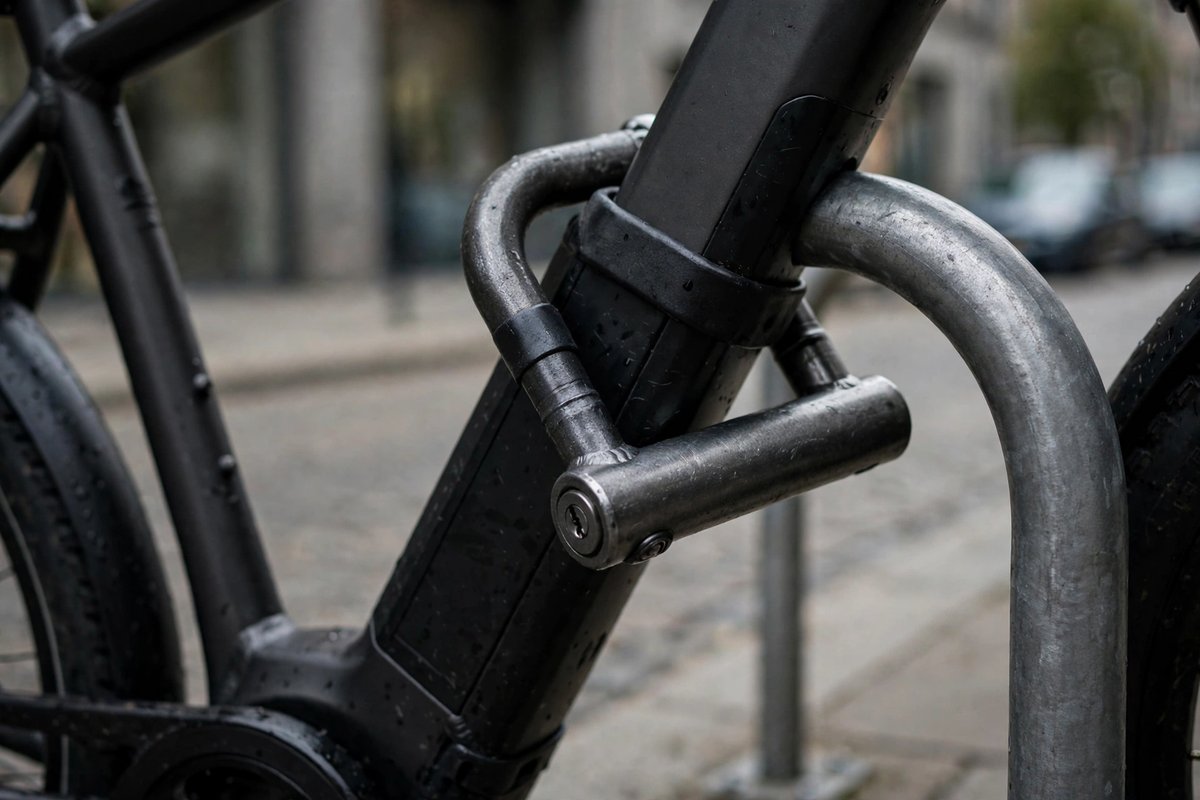
E-bikes are attractive theft targets because the frame, battery, and components retain value. A useful security plan combines a strong primary lock, good locking technique, and a second layer that increases time and noise.
Quick answer: use two different lock types
| Lock type | Best role | Strength | Tradeoff |
|---|---|---|---|
| Heavy U-lock | Primary frame lock | Small opening limits tool access | Must fit the frame and anchor |
| Hardened chain | Primary or second lock | Flexible around large anchors | Heavy to carry |
| Folding lock | Portable everyday layer | Compact and flexible | Joint design and rating vary |
| Alarm disc or brake lock | Noise and wheel immobilization | Adds a different barrier | Does not secure the frame to an anchor |
| Cable lock | Accessories or short secondary restraint | Lightweight | Not a strong primary e-bike lock |
Understand independent security ratings
Independent lock tests can help compare products, but rating systems such as Sold Secure are UK-based and may not include every model sold in the United States. US buyers should compare current independent test results, shackle dimensions, locking technique, and any requirements in their insurance policy rather than relying only on packaging language.
Make the lock harder to attack
- Fill unused space inside a U-lock so tools are harder to position.
- Keep the lock body and chain off the ground when possible.
- Choose a busy, well-lit rack that is securely installed.
- Remove the battery or display when practical and permitted by the manufacturer.
- Record the frame serial number and keep purchase documentation.
Add recovery and insurance layers
A hidden tracker, registration service, and suitable insurance can improve recovery or reduce loss, but none replaces a strong physical lock. Check tracker alerts, local privacy laws, registration coverage, and the lock requirements in any insurance policy.
Match security to the stop
A café stop in view of the bike is different from an all-day station rack. For longer or predictable parking, add a second substantial lock, vary the location, and consider secure indoor storage.
Six serious e-bike locks to compare
For a high-value e-bike, start with an independently rated primary lock and add a different second lock. Ratings can change by exact model or size, so verify the current certificate and your insurer’s requirements before purchase.
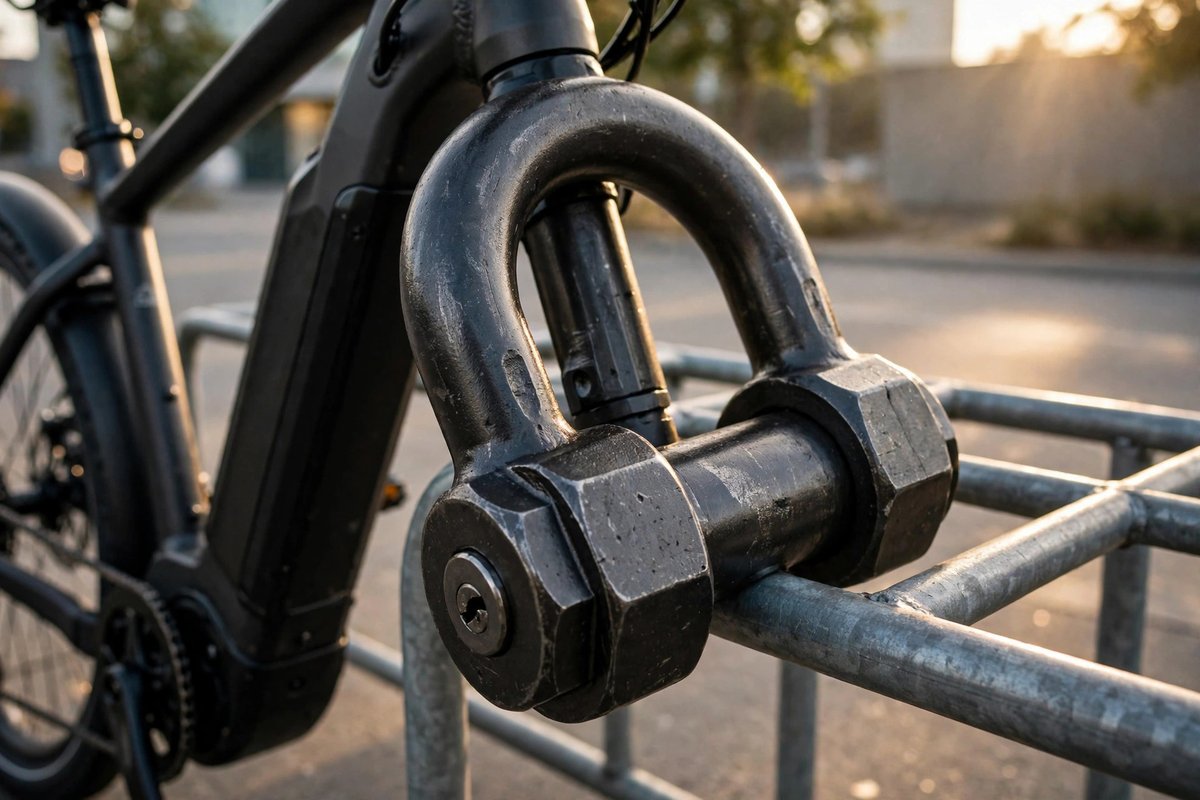
Hiplok D1000
Compact U-lock · premium tier
Designed for high-risk stops where power-tool resistance matters. Its compact opening demands careful frame-and-anchor fit.
Compare prices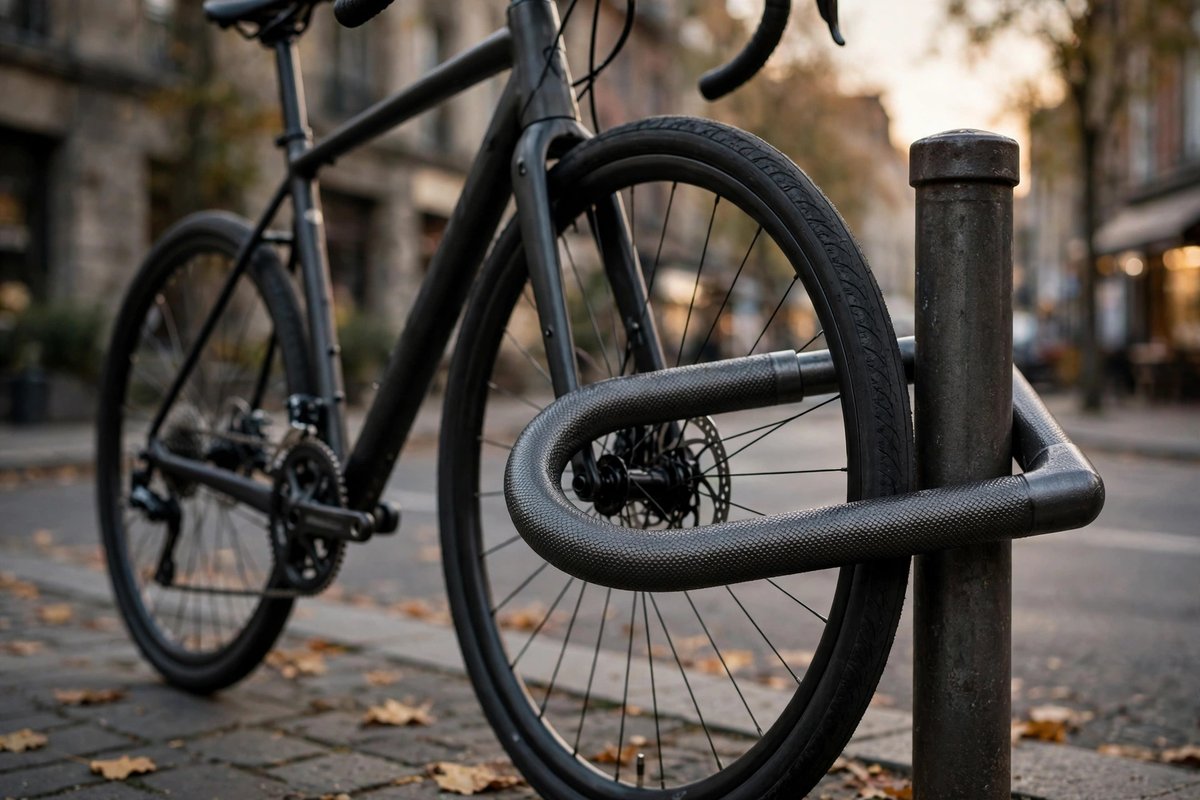
LITELOK X1
U-lock · premium tier
A more accommodating anti-angle-grinder option for many e-bike frames. Confirm the exact internal dimensions before ordering.
Compare prices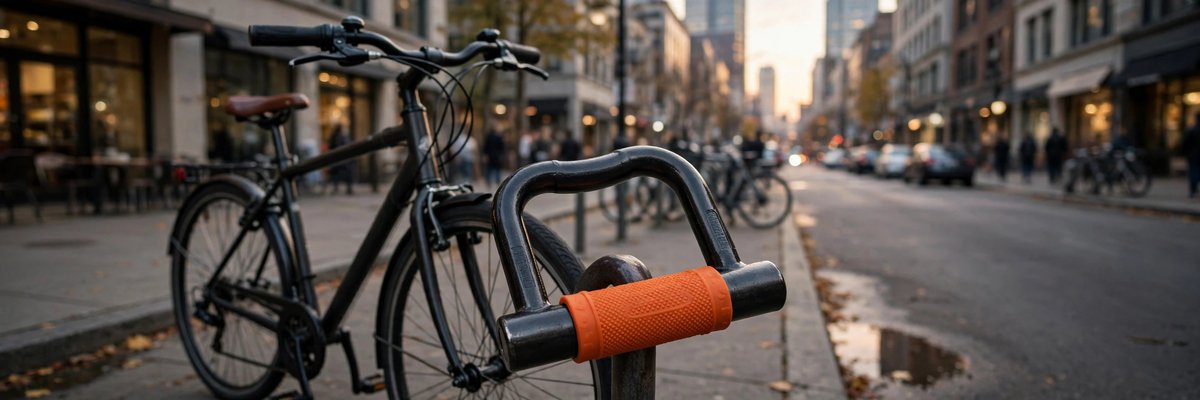
Kryptonite New York Fahgettaboudit Mini
Compact U-lock · premium tier
A proven heavy-duty design with little extra space for tools. The small shackle can be difficult around thick frames or large anchors.
Compare prices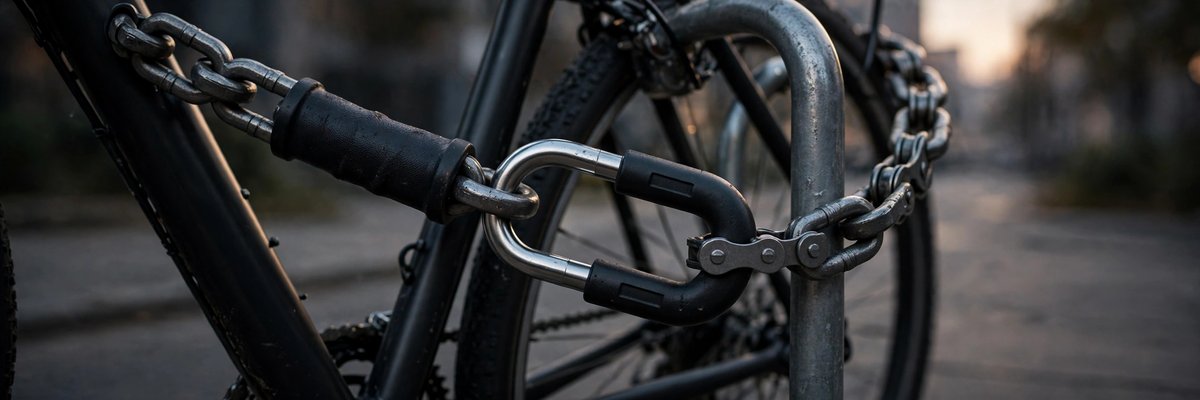
Kryptonite Evolution 1090 Integrated Chain
Chain lock · upper-midrange tier
Flexible around awkward racks and useful as a different second barrier. Its weight is better carried on the bike than in a backpack.
Compare prices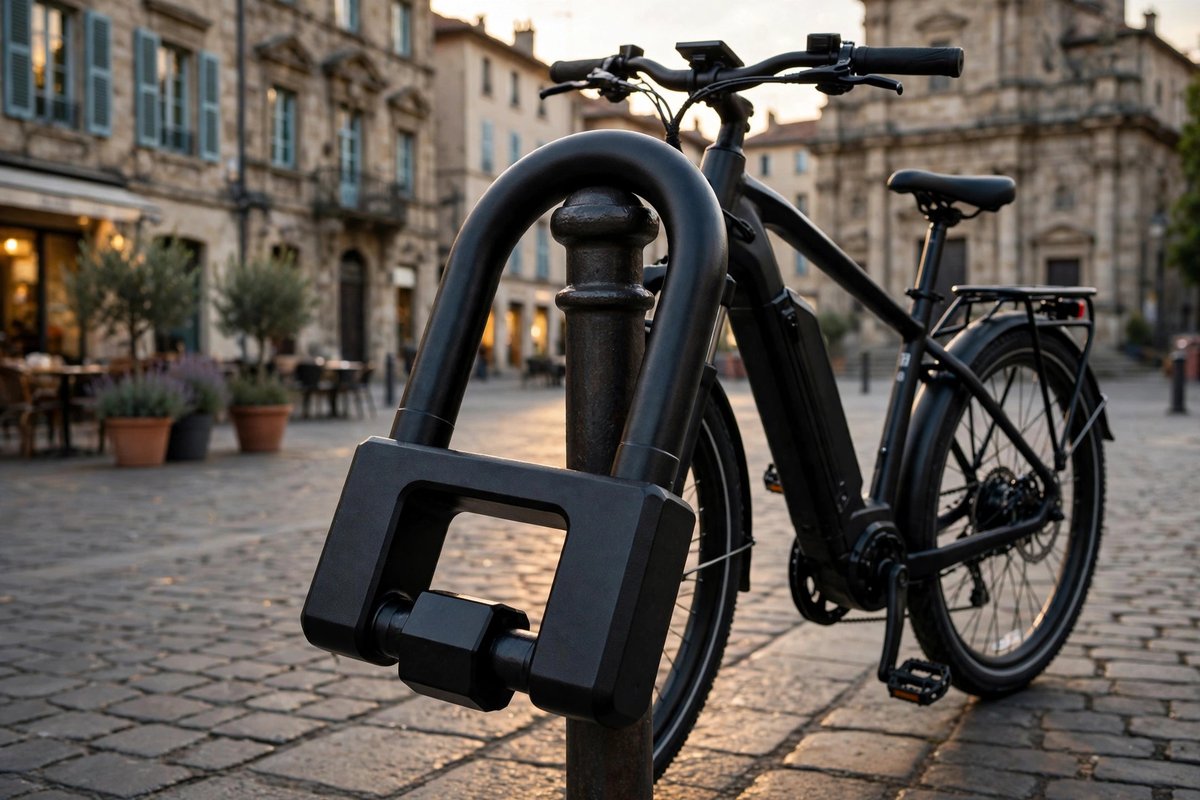
ABUS Granit XPlus 540
U-lock · premium tier
A larger opening than compact mini locks for everyday anchors. Fill excess space and keep the lock away from the ground.
Compare prices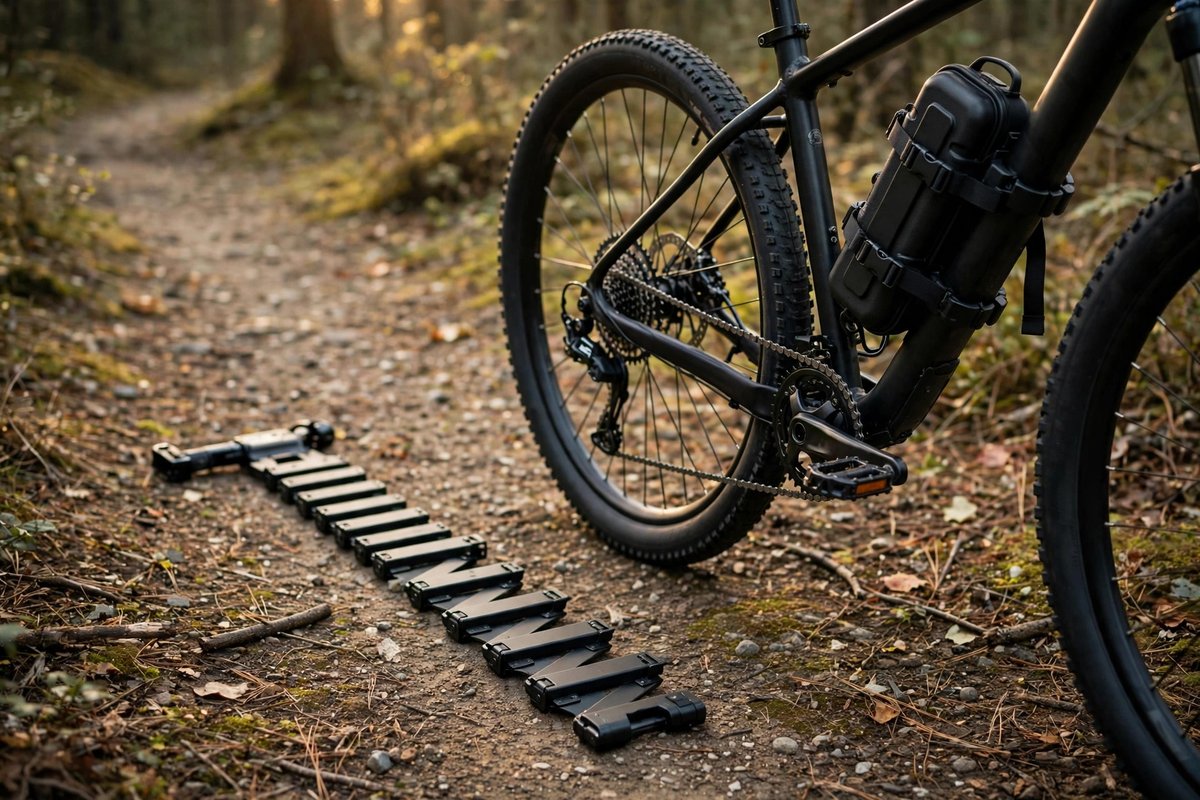
FoldyLock Forever
Folding lock · upper-midrange tier
Easier to mount and carry than a heavy chain while fitting varied anchors. Use it as part of a layered plan for high-risk parking.
Compare pricesBuying note: No lock makes an e-bike theft-proof. Lock the frame to an immovable anchor, keep the lock tight and off the ground, remove easy-to-steal accessories, and add registration, tracking, and insurance where appropriate.
Frequently asked questions
Is a cable lock enough for an e-bike?
A cable is better used for accessories or as a secondary restraint. A high-value e-bike should be secured to a fixed anchor with a stronger primary lock.
Should I lock through the wheel or frame?
Secure the frame to the fixed anchor first. Use a second lock or cable for a wheel or removable accessory.
Does a GPS tracker prevent theft?
No. A tracker may support alerts or recovery, but it does not replace a strong physical lock and safe parking strategy.