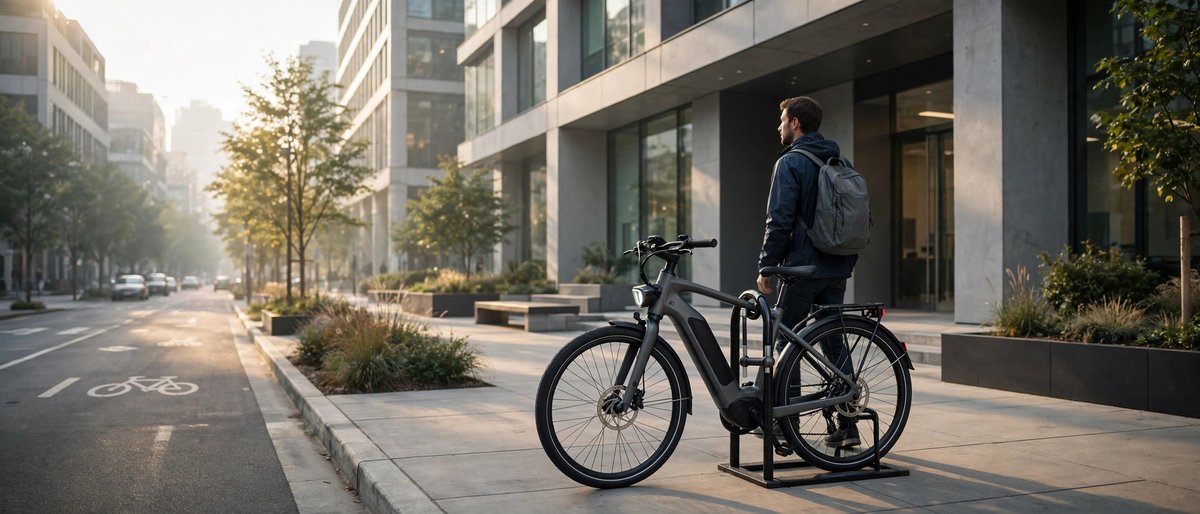
Commuter E-Bikes
Look for integrated lights, full fenders, rack mounts, puncture-resistant tires, hydraulic disc brakes, and a riding position you can maintain every day.
Compare Commuter E-BikesMatch the frame, motor, battery, brakes, tires, weight, and service plan to the trips you will actually make.
Look for integrated lights, full fenders, rack mounts, puncture-resistant tires, hydraulic disc brakes, and a riding position you can maintain every day.
Compare Commuter E-Bikes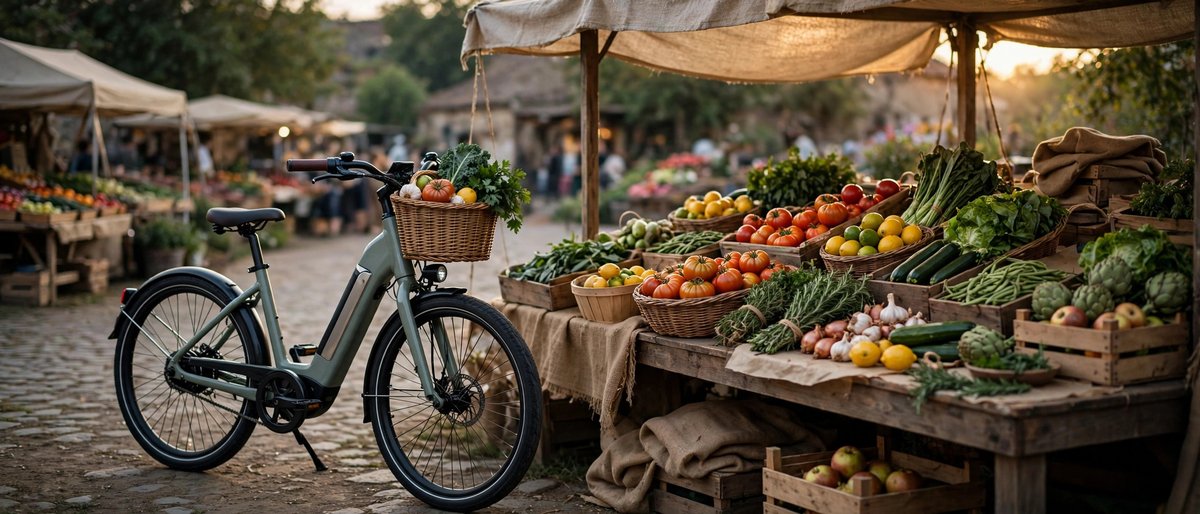
A lower frame opening makes starts, stops, limited mobility, work clothes, and loaded racks easier. Confirm frame stiffness, saddle range, and comfortable reach.
Compare Step-Through E-Bikes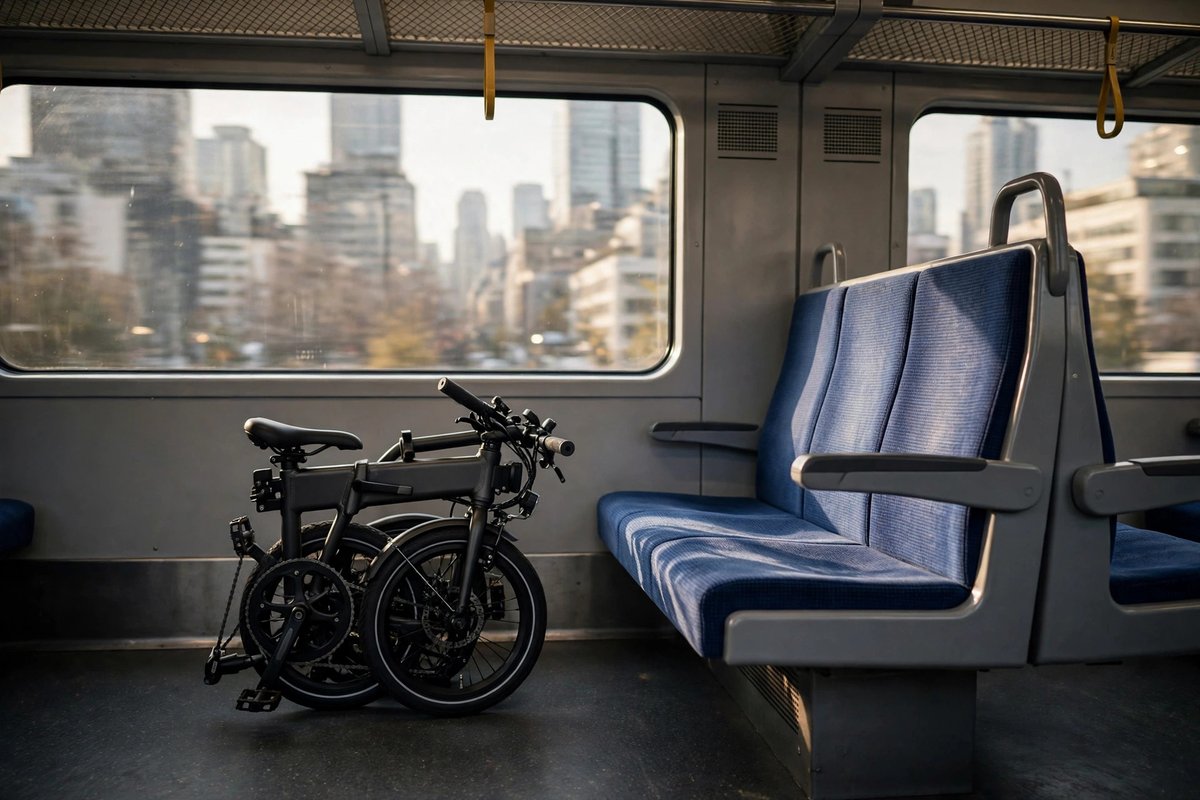
Measure the folded bike, total weight, hinge quality, lifting path, trunk clearance, and whether the battery can be removed before carrying it.
Compare Folding E-Bikes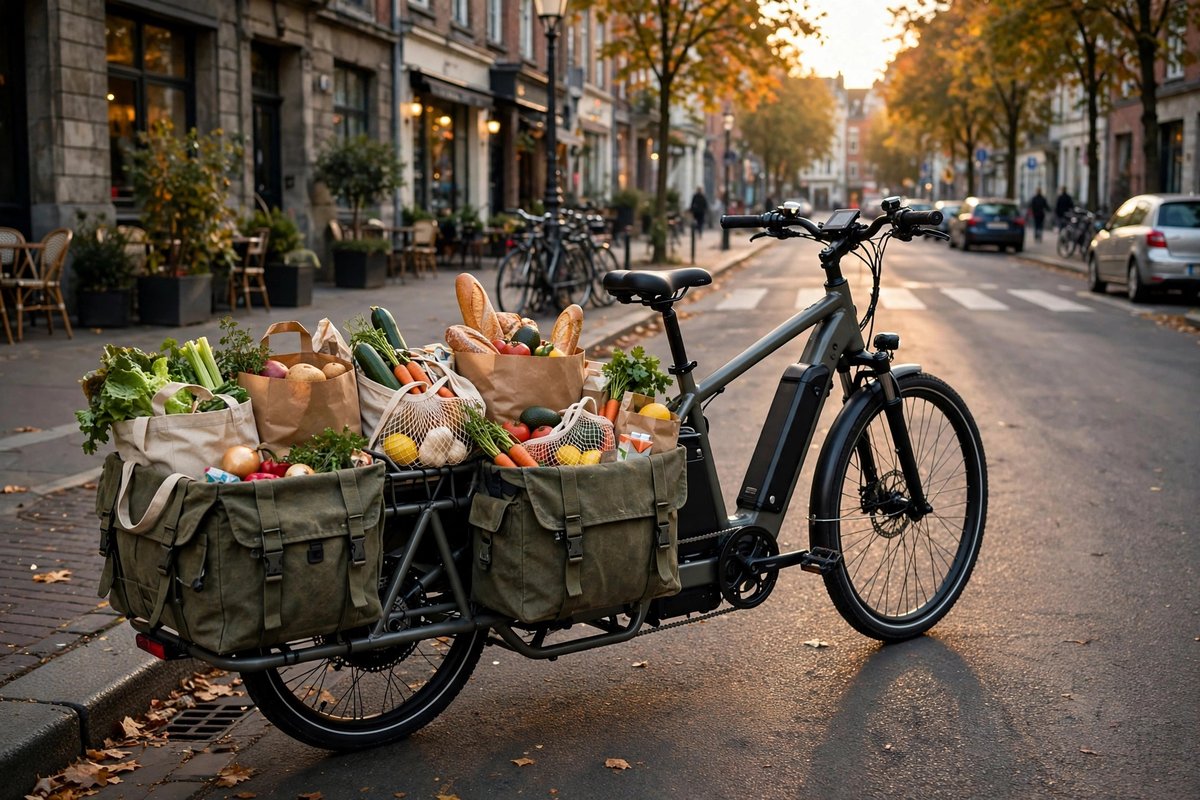
Prioritize payload ratings, strong brakes, a stable kickstand, low-speed handling, passenger equipment, child-seat compatibility, and replacement parts.
Compare Cargo E-Bikes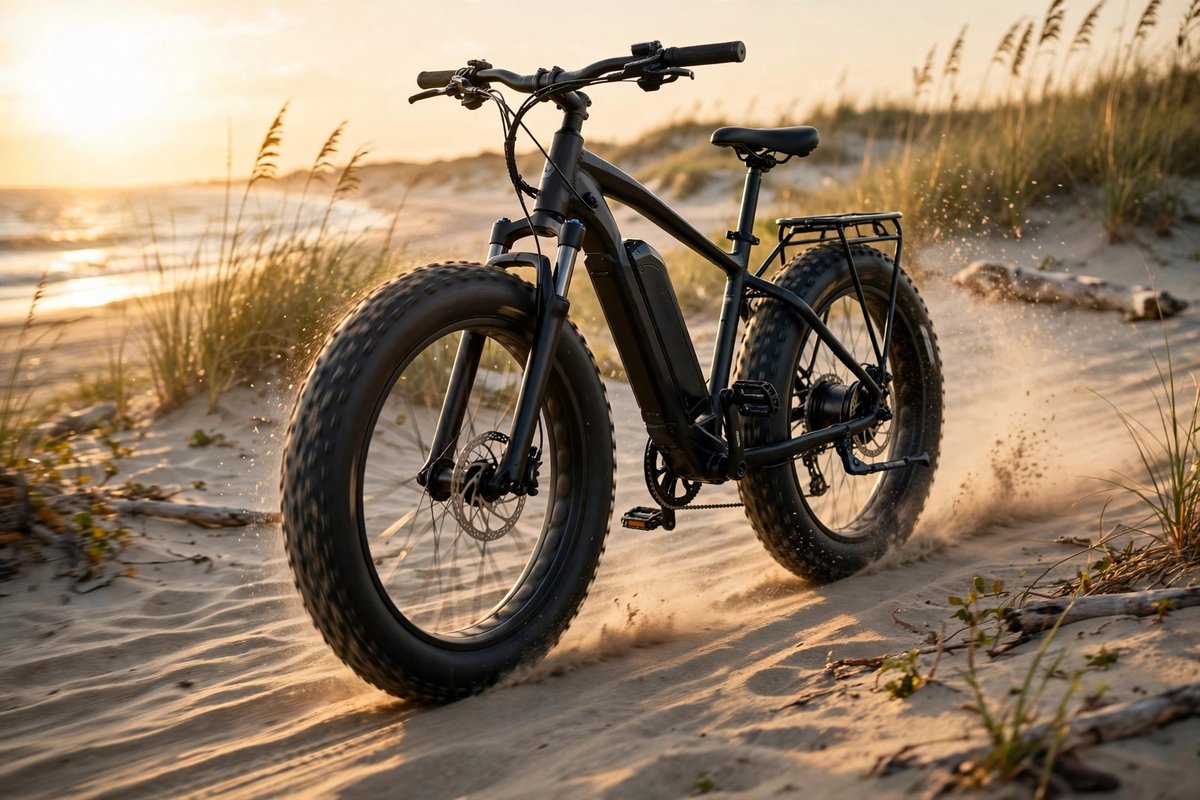
Wide tires add grip and comfort but also weight and rolling resistance. Confirm legal trail access, tire availability, transport limits, and braking performance.
Compare Fat-Tire E-Bikes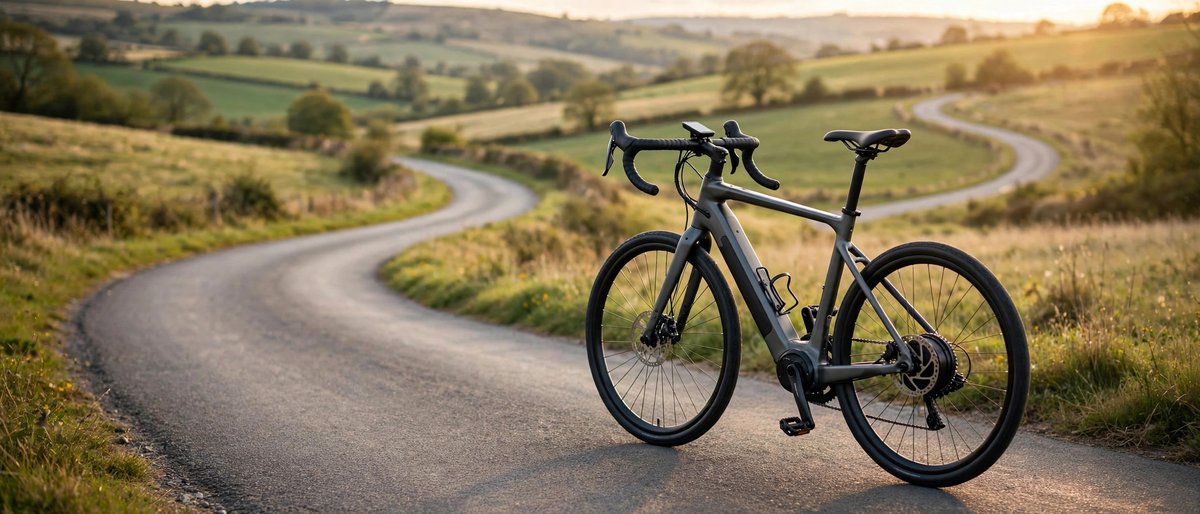
A lighter frame is easier on stairs, racks, and unpowered riding. Expect smaller batteries or subtler assistance and verify that the motor response feels natural.
Compare Lightweight E-BikesRetail listings change frequently. Treat these links as category research, then verify the exact seller, model, specifications, certification, warranty, and return terms.
| Type | Best for | Biggest strength | Watch closely |
|---|---|---|---|
| Commuter | Daily work, school, and errands | Balanced utility and efficiency | Fit, weather equipment, lights, rack, service |
| Step-through | Easy starts/stops and accessibility | Low mounting height | Frame fit, stiffness, weight distribution |
| Folding | Apartments, RVs, trunks, transit | Compact storage | Lift weight, folded size, hinge, smaller wheels |
| Cargo | Groceries, equipment, passengers | High carrying utility | Payload, passenger rules, brake heat, parking |
| Fat-tire / utility | Loose surfaces and rough roads | Traction and comfort | Weight, efficiency, trail rules, transport |
| Lightweight / fitness | Stairs and bicycle-like handling | Easy carrying and natural feel | Smaller battery, lower assistance, price |
Advertised range is a test result under selected conditions—not a promise for every rider and route. Hills, speed, stops, throttle use, cargo, tire pressure, wind, temperature, battery age, and rider weight all matter.
| Common class | Typical assistance description | Before buying |
|---|---|---|
| Class 1 | Pedal assist, commonly up to 20 mph | Confirm roads, paths, parks, and trail access |
| Class 2 | Throttle assistance, commonly up to 20 mph | Confirm throttle rules and permitted locations |
| Class 3 | Pedal assist, commonly up to 28 mph | Confirm age, helmet, equipment, path, and licensing rules |
| Outside the class system | Power, speed, or controls may exceed local e-bike definitions | It may be treated as a motor vehicle or prohibited in many places |
| Question | Why it matters |
|---|---|
| Who performs final assembly and safety checks? | Brakes, steering, wheels, fasteners, and electrical connections must be correct before riding. |
| Who handles warranty service locally? | A long warranty is less useful if no shop will diagnose the bike or the company does not stock parts. |
| Are battery, display, controller, derailleur, brake, and tire parts available? | Replaceable standard components can extend the useful life of the bike. |
| What are the return and freight-damage terms? | Large-item shipping, restocking, repacking, and return freight can be expensive. |
| Is the seller authorized and identifiable? | Marketplace names can hide unrelated sellers with different warranty responsibility. |
| Can a local shop inspect it? | Budget for professional assembly or a post-assembly safety inspection when appropriate. |
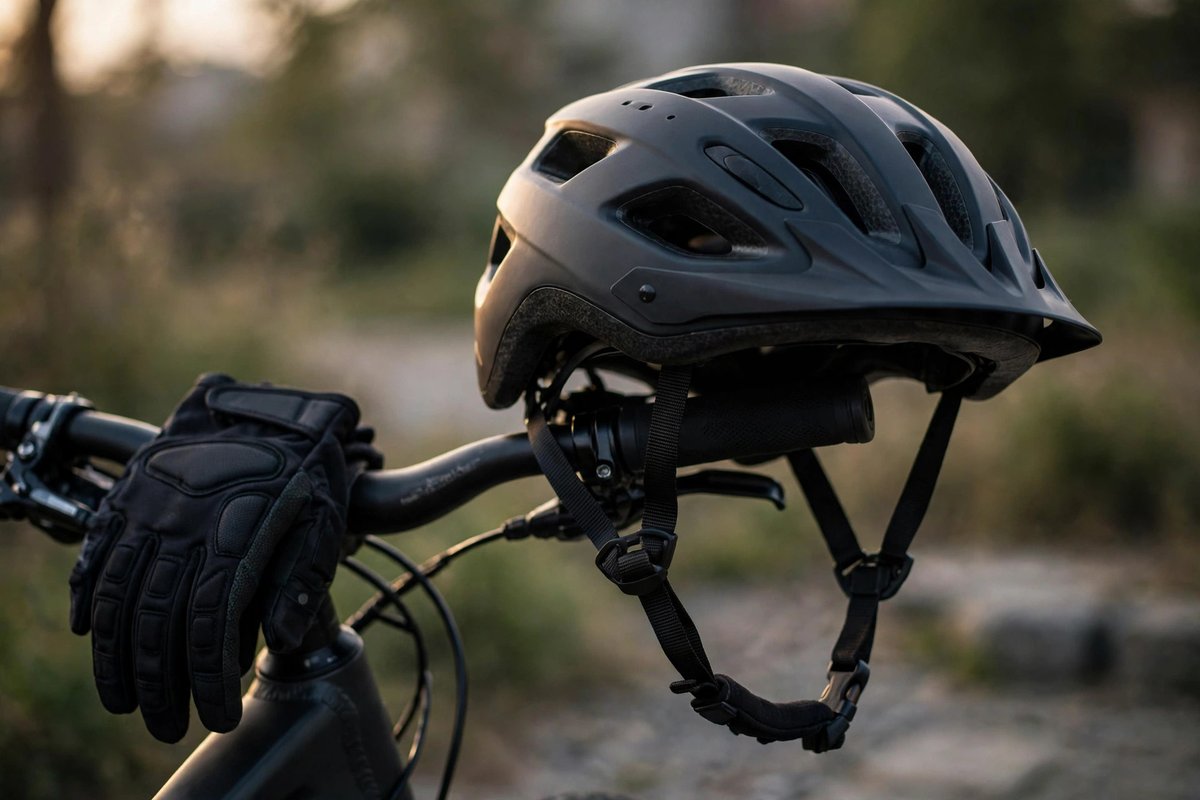
Choose a properly fitted helmet that meets applicable safety standards and matches the speed and riding environment.
Compare E-Bike Helmets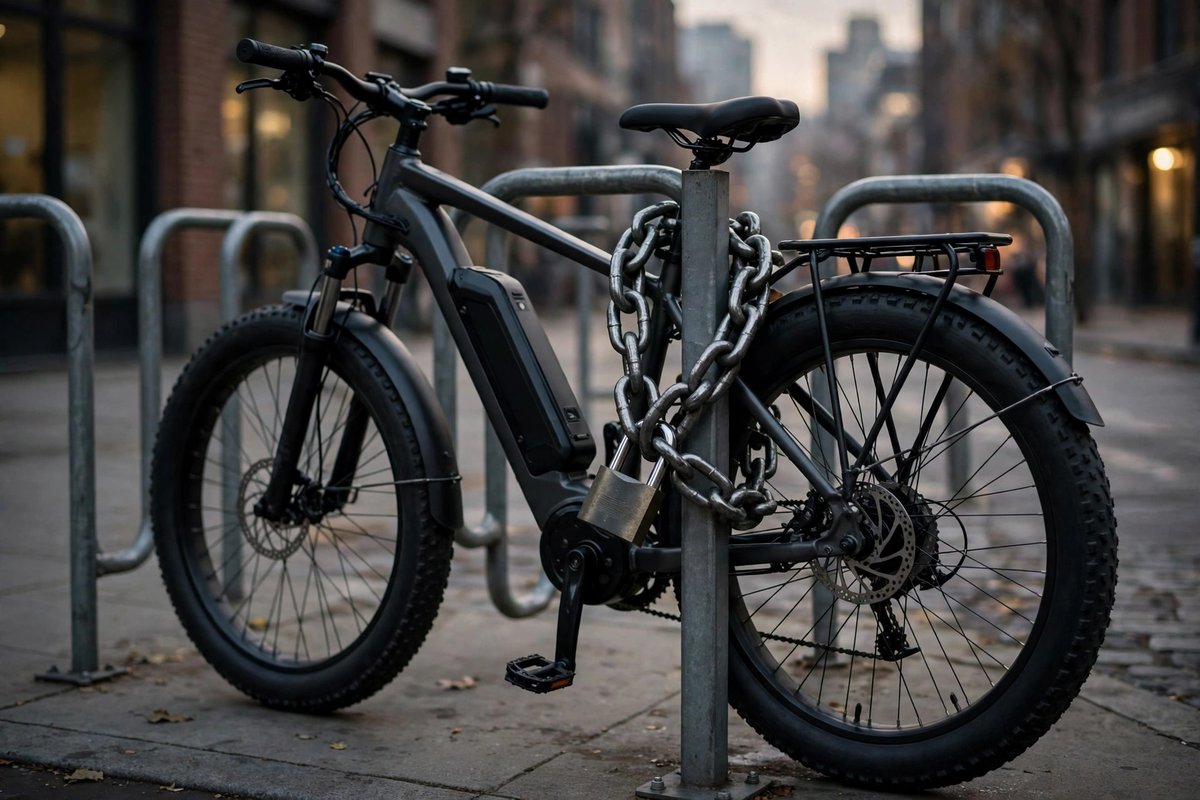
Use a risk-appropriate primary lock, secure the frame to a fixed object, and consider a secondary lock and insurance.
Compare E-Bike Locks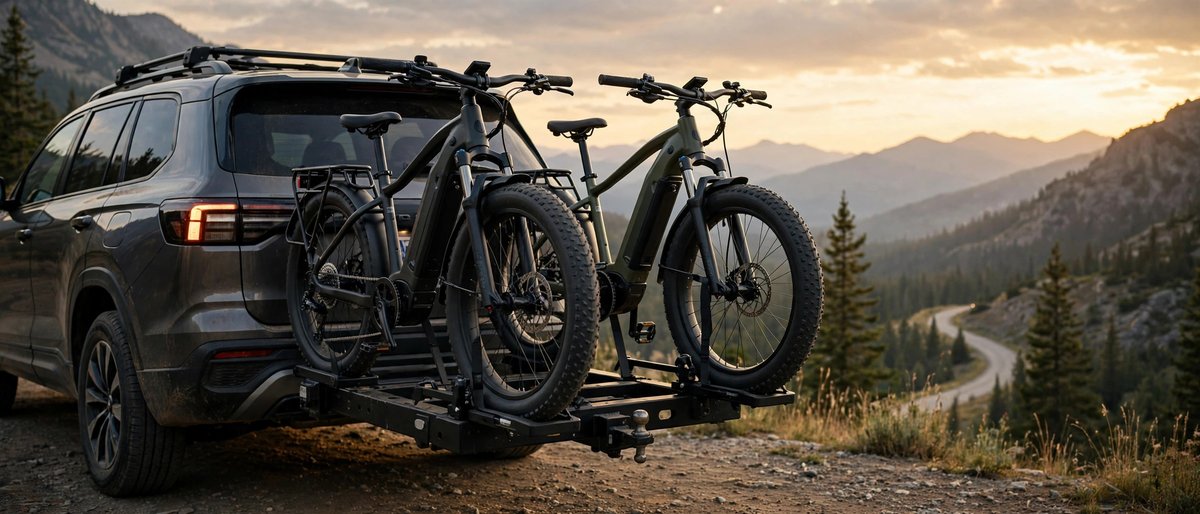
Confirm the rack, hitch, vehicle, tire width, wheelbase, and per-bike weight rating—including whether batteries must be removed.
Compare E-Bike RacksChoose enough battery for the longest normal round trip plus a generous reserve. Rider weight, hills, speed, temperature, tire pressure, wind, cargo, and assist level can reduce advertised range.
Class definitions commonly describe pedal-assist and throttle behavior plus assisted-speed limits, but rules and permitted riding locations vary. Confirm current state, local, trail, and property rules before buying or riding.
Look for credible evidence that the complete electrical system is certified to an applicable standard such as UL 2849 and the battery to an applicable standard such as UL 2271. Verify the exact model and use only the specified charger.
Online buying can work when sizing, assembly, warranty, replacement batteries, parts, returns, and local service are clear. A local test ride and service relationship can be worth more than a small price difference.